Showing posts with label Nancy Harmon Jenkins. Show all posts

Wednesday, June 13, 2018

Fava Beans: To Peel, or Not to Peel?


Once again, it's confession time.

I love fava bean season so much that, at the first sign of the bundles of young green shoots on farmers' market tables in the spring, I get a little giddy thinking of them stir-fried with garlic and tossed with pasta and preserved lemon, or slathered with oil and roasted, served alongside a beautiful grilled, pasture-raised chicken thigh. Then there's the knowledge that in just a couple of weeks, it'll be time for the pods to start appearing, their strange, off-green, blobby exteriors revealing pale green kidney-shaped beans pillowed in a porous white cushion.

Young favas in the field, perfect for shoots.

That's about when I remember that to prepare these little beany delights, I have to strip them out of their pods, boil them in a salty pot of water, then spend what seems like hours in the tedious task of popping them out of their skins to get a paltry—albeit decidedly delicious—pile of the bright green, shiny jewels.

I know, I'm whining.

Shucked beans ready to boil and use!

But, wonder of wonders, this year my friend Nancy Harmon Jenkins, part-time resident of Italy and author of well-regarded books on Italian cuisine like Cucina del Sol and The Four Seasons of Pasta, saved me (and you) from hours of whinging.

In a post on her blog, she excoriates Americans who insist on peeling the skins from their beans:

"What a waste of time! What a waste of flavor!

"Where does this weird practice come from? I suspect from the French professional kitchen where chefs are constantly challenged to come up with new tricks and trucs to keep their enormous brigades de cuisine in operation. In Italy, where restaurant kitchens are run much more economically, no one has to dream up tasks—there are enough to go around and more.

Pasta with albacore and favas.

"But why do Americans insist on this? Every food writer except one (me) says you have to peel beans. Then they go through elaborate rigmaroles to show you how to do it. No wonder fava beans are not exactly popular despite their magnificent, slightly earthy flavor, so very different from string beans or limas. Every spring or summer I feel like climbing up in the pulpit and shouting: YOU DON’T HAVE TO DO THAT—IN FACT, IT IS COUNTER-PRODUCTIVE!!!"

Which, as you might imagine, got my attention. And came in mighty handy when my neighbor called offering a grocery bag full of freshly harvested favas from his garden. Let me tell you, I never relished preparing beans more—just shuck, boil in a pot of salted water for ten minutes and they're ready!

Read the rest of Nancy's post to get her serving suggestions and more cultural trivia about these delicate denizens of early summer. For me, I used some of my neighbor's beans in a pasta tossed with preserved lemon and albacore, sprinkled with chive blossoms and chopped chives, then used the rest to make the following dip for a party. Though when everyone oohed and aahed over the amount of work it took to peel all those beans, I was torn about revealing my secret. (Psst…I did.)

Fava Bean Spread

3 c. shucked beans
2 cloves garlic
1/2 fennel bulb, cut in half, cored and roughly chopped
1/4 c. parsley, coarsely chopped
1/4 c. mint, coarsely chopped
1/3 c. fresh lemon juice
3-4 Tbsp. olive oil
Salt, to taste

Bring a large pot of well-salted water to a boil. Drop in fava beans and cook for ten minutes. Drain and run under very cold water (or ice bath) until cool.

Put beans, garlic, fennel, parsley, mint and lemon juice into the bowl of a food processor. Turn on and while its running drizzle in olive oil until puréed. Adjust lemon juice and olive oil and add salt to taste. Serve with slices of rustic bread or crackers, or on toasted slices of baguette (à la bruschetta).

Wednesday, March 28, 2018

Spring Thing: Maple Bread Pudding with Nancy Harmon Jenkins


It's Easter weekend and I can't think of anything more appropriate than my friend Nancy Harmon Jenkins's super-easy maple bread pudding, especially if you use the first of the season's local eggs from a farmer who raises her chickens on pasture. (A trip to the farmers' market on Saturday morning would be awesome!)

Get the recipe here and make it for brunch served with yogurt, or drizzled with warm syrup and a dollop of whipped cream for dessert after your ham dinner. What could be more perfect? Thanks, Nancy!

Saturday, March 10, 2018

Guest Essay: Ode to the Egg


Writer and cookbook author Nancy Harmon Jenkins has traveled and lived all over the world, in the process coming to the realization, in her words, "that there is a powerful connection between who we are and what we eat. That food is a dramatic (and delicious) expression of who and what people believe themselves to be and how they got that way. Is this cultural anthropology? Yes, I suppose it is, but it’s anthropology with the very important difference that you can taste the culture on your tongue and feel it between your hands, not to mention sniff its often heady aroma on the air."

It’s the simplest, most basic of foods, the one cooks turn to when there’s nothing to eat in the house—because there’s almost always an egg or two in the pantry, ready to be scrambled for a quick supper, or tossed with hot pasta to make a rich carbonara, or poached in chicken stock to turn unassuming broth into chicken soup.

Spring and eggs go together. When the light starts to strengthen and the grass begins to green, the hens begin to lay once more, which is why eggs are so closely tied to the two great Mediterranean spring festivals, Easter and Passover. The egg on the Seder plate, the colored eggs in the Easter basket, are there to announce that winter is over and new life has begun.

Fortunately, eggs have crept out from under the dishonor in which they were held for decades, vilified for high cholesterol content and banned from the tables of anyone who feared heart disease. No longer! Dietary cholesterol is not usually the cause of elevated serum or blood cholesterol. That’s more the result of a diet high in saturated fat, or of unhappy luck of the genes.

Eggs, traditional kitchen folklore tells us, are good for you, an excellent source of protein of course, low in total fat, with 0 carbs and just 71 calories in a normal large egg. They are good sources of iron, selenium, phosphorus, and riboflavin, as well as vitamin B12. They’re also well supplied with antioxidants lutein and zeaxanthin which protect against macular degeneration, among other benefits. Did your mother tell you eggs are good for your eyes? Mine did, and she was right!

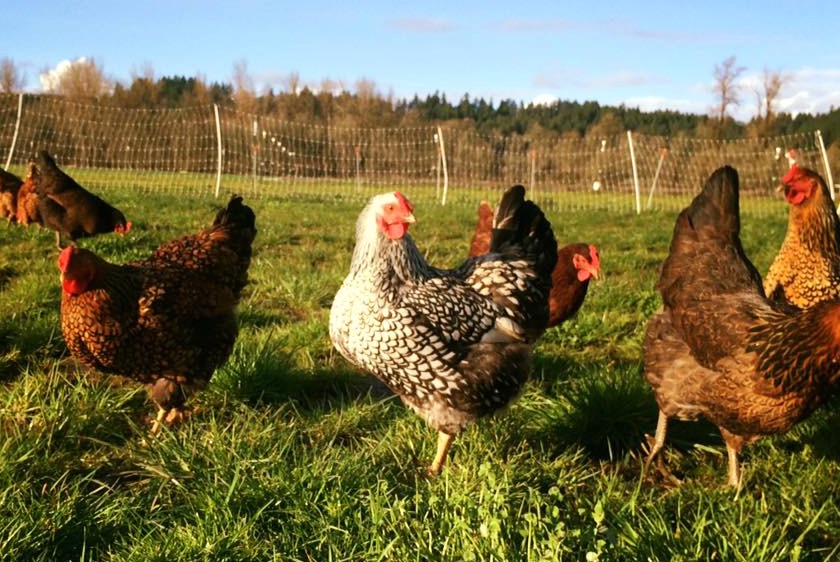
But what kind of eggs? Cage-free, free-range, pastured, pasteurized, organic? The choice is confusing but for most and best flavor, my vote goes to eggs bought from the farmer who tends the chickens. Like Farmer Hubert’s eggs, pictured above, they may be multi-colored (the blue ones are from Araucana hens, the white ones from Leghorns, but I can’t tell you about the rest.) Going straight to the source, you’ll find out how the chickens were raised, what they’ve been fed, and how fresh the eggs are. A bonus: eggs from hens allowed to scratch around a chicken yard are almost always better tasting than ones raised in total captivity. Incidentally, brown eggs are favored in New England and white eggs preferred elsewhere, but the flavor and goodness are exactly the same.

Here’s another interesting fact to put in your egg file: Eggs in North America must be washed before they can be sold. Not a bad idea, you’re thinking? Think again. Eggs come with a natural protective coating that gets dissolved in the wash water. In Italy, where I live part time, eggs don’t have to be refrigerated, while in the U.S., I’m told, it’s best to keep them, if not refrigerated, in a very cool place to protect them. (You may find that eggs bought from the farmer have not been washed.)

What about salmonella? If you think eggs are risky, cook them thoroughly, either hard-boiling or baking in cakes or cookies. Hard cooked eggs can quickly become deviled eggs, a seriously delicious, old-fashioned treat. Do them up Mediterranean style, mixing yolks with a little mustard, some capers and a few green olives chopped with fresh green herbs, the whole bound with a dab of olive oil and another dab of mayonnaise. Or serve them plain, halved and garnished with a black- or green-olive tapénade.

Take a tip from the Italian kitchen and drop eggs, one after the other, into a bean-and-pasta soup, then serve a poached egg with each soup portion, perhaps with a little parmigiano reggiano sprinkled on top. Another dazzling egg trick I learned from Maria Jose San Roman, a great chef from Alicante in southeast Spain: Use gently fried eggs as a sauce to top sautéed potatoes: Sauté sliced potatoes (in olive oil, of course), then arrange on a platter, season generously, and top with eggs similarly fried, the yolks basted with hot oil so that when they break they make a rich, golden sauce for the potatoes. Nothing could be simpler—or better.

Easy Cheese Soufflé

Cheese soufflés transport eggs to the height of elegance. They have a reputation for being tricky but they’re actually easy when you understand the concept. Basically, it’s a béchamel sauce into which egg yolks are stirred and then the stiffly beaten whites and grated cheese, baked until the eggs puff up, and then served immediately. Wait just 10 minutes and the soufflé will deflate—still tasty but not the exciting thing that comes straight from the oven bursting with cheesy fragrance. Another advantage: You can prepare most of it ahead of time, then just beat up the egg whites and fold them in with the cheese right before you put the thing in the oven for 20 minutes. Most soufflé recipes make enough for 6 people but I like this snug little way of making just enough for two.

You’ll need: butter, a small amount of freshly grated parmigiano reggiano, a little all-purpose flour, about 3/4 cup of whole milk, 2 eggs (separated), and a cup of grated cheese (gruyere is best but emmenthal or cheddar will work well too). Plus the usual salt, pepper and, if you wish, a pinch of ground red chili and/or a spoonful of French mustard.

First butter the inside of a couple of small soufflé dishes, the kind that hold about 1 cup. Butter them generously and sprinkle the bottoms and sides with grated parmigiano–you’ll need about a tablespoon for each. Set these aside and in a small saucepan melt about a tablespoon of butter over low heat. While you’re doing this, warm the milk in a separate saucepan–it should be very warm but not simmering.

Whisk about 1 1/2 tablespoons of flour into the melted butter, whisking well to avoid lumps. Cook, stirring, for just a minute or two to get rid of the raw taste of the flour, then start adding the hot milk, a little at a time and whisking after each addition. This will avoid lumps in the béchamel sauce. When all the milk has been added, continue cooking for a bit to let the sauce thicken to the consistency of very heavy cream. Remove the pan from the heat and let it cool down a bit, then add the egg yolks, one at a time and whisking well after each one. Add a little salt (not too much because the cheese will be salty), ground black pepper, a pinch of chili pepper if you wish (I like to use piment d’Espelette, the chili from the Basque country of southern France), and a spoonful of Dijon mustard. Stir all this together then set aside until you’re ready to continue making the soufflés.

When you’re set to continue, heat the oven up to 450º. Beat the egg whites to a stiff froth, then gently stir half the egg whites and half the grated gruyere into the béchamel. Top with the remaining egg whites and cheese and, using a spatula, fold it all together.

Add the mix to the two soufflé dishes and transfer to the hot oven, immediately turning the heat down to 350º. Bake for about 20 minutes or until the soufflés have risen and turned golden on top. Remove and serve immediately.

Monday, January 08, 2018

Ricotta-Style Cheese at Home? Creamy and Dreamy!


Writing this blog has been full of slap-upside-the-head, "D'oh!" moments over the years. There was the time someone mentioned making a vegetable stock out of corn cobs. And then when I discovered how simple it was, not to mention how much more delicious it tastes, to make your own peanut butter. (Got five minutes and a blender?)

Four cups milk? Check.

I'm constantly asking myself: How could it have taken me so long to figure this stuff out?

Currently it's my quest to duplicate the taste of the kimchi that I experienced eons ago as a college student in Korea, as well as to learn about fermentation. What a journey!

Add lemon juice and…magic!

So this last week, with friends coming for dinner, I decided to make a big tray of lasagne, something I've done a zillion times before. A few years ago I would have bought a container of ricotta and slathered it on the next-to-the-top layer to give a creamy, oozy richness to this Italian-American classic. But then my husband developed a problem with dairy, and with lactose-free commercial ricotta not readily available, I had to eschew that particular ingredient for several years.

Then I read somewhere that it was super easy to make your own at home. D'oh!

A layer in lasagne? Oh yeah!

While, according to my friend, cookbood author Nancy Harmon-Jenkins, traditional Italian ricotta is made from the recooked whey left over from cheesemaking (ri-cotta means "recooked"), this method makes a delicious fresh cheese that's as good or better than most major store-bought brands. With the availability of lactose-free whole milk (thank you, Organic Valley), all it took was some googling and I had the basic idea. My first attempt used white vinegar as the curdling agent, which some recipes said had a neutral flavor. It was the right texture but I thought it gave the final product a funny flavor. Talking with some other cooks, almost to a person they recommended lemon juice instead.

I tried it, fiddled with the timing a bit to get the texture I wanted and, like magic, the creamy softness was back in our lives. And it's so dang easy, I can guarantee that it's going to start showing up on crostini, mixed in pasta and dolloped on salads.

Homemade Ricotta-Style Cheese

4 c. whole milk
1/3 c. fresh-squeezed lemon juice
1 tsp. salt

In a saucepan, heat milk over medium heat (you don’t want to heat it too quickly). Stirring occasionally to keep it from sticking and measuring often with an instant read thermometer, bring milk to 200°.  When it reaches 200°, remove from heat and add lemon juice and salt. Stir a couple of times to combine and let it sit for 5 minutes.

While it’s sitting, put cheesecloth in a fine mesh strainer over a bowl. Pour the contents of the pan into the lined strainer and drain, saving the watery whey. Depending on how dry you want your ricotta to be, let it sit for two to 20 minutes. A shorter time will give you creamier ricotta. Taste for salt and adjust.

Note: Save the whey (the watery liquid left after draining) and feed it to your chickens or pigs. If you don't have livestock, you can feed it to your family, as well. It's very nutritious and is great added to soups, stews and sauces that benefit from a slight milkiness. (Think chowders, or a potato-leek soup.) One reader said she used the leftover whey to cook pork loin in the crock pot for pulled pork, which confirms what I'd read about the acids in the whey helping to break down meat. So I used it for making carnitas, and it worked fabulously. Try it!

Monday, December 05, 2016

Great Gifting: Booking It for the Holidays


Several years ago, so long ago, in fact, that the internet was in its infancy—if the browser names Mosaic and Netscape Navigator ring any bells, you're in the right era—where carrying a powerful computer around in your hip pocket, one that could answer virtually any question within seconds, was a concept left to science fiction fantasists, and people at dinner parties had to scour actual books to settle arguments about the name of the guy who was in that movie or else argue for hours over the name of the dog that was sent into orbit by the Russians (Laika, for those who care).

A well-loved (and well-marked) book.

Our house was pretty handy for situations requiring reference material, so much so that one visitor dubbed it "the house of books" for the piles that were—and still are—a major part of our living room decor. So when the holidays roll around it's no surprise that books will fill many slots on our gift lists, both for receiving and giving. In no particular order, here are a few of my favorite food-centric tomes ideal for the bookish on your list. And feel free to add your own pick by clicking on the comments link below!

Buck Buck Moose by Hank Shaw. The third book by this self-described "hunter, angler, gardener, cook"—who is a superb writer on those topics as well as a good friend of mine—is a thorough compendium of hunting, cooking and eating "antlered things." Perfect for hunters, it's also a thoughtful treatise on how these animals are deeply intertwined with our history as a species. Carnivorous cooks will appreciate it, too, since his meticulously tested recipes are great even if you can't easily obtain venison—simply substitute beef, lamb or pork.

Life Without a Recipe by Diana Abu Jaber. Memoirs are slippery beasts, the good ones treading the fine lines between tell-all and tight-lipped, between my-life-is-so-fabulous and Blanche Dubois, cringe-inducing drama. Abu Jaber, a professor of writing and literature who splits her time between Portland and Florida, writes with skill about growing up the daughter of an American mother, a Jordanian father and a powerhouse of a German grandmother. In this, her second, memoir, she continues the journey she began in The Language Of Baklava, weaving "a book of love, death and cake."

Better from Scratch and Crackers & Dips by Ivy Manning. Prolific writer and author of cookbooks on subjects ranging from how to cook for a mixed-diet family to fixing easy weeknight vegetarian meals to one of the best farmers' market cookbooks around, these two slim volumes are packed with recipes so good they're already as well-thumbed as my grandmother's Joy of Cooking. Better from Scratch will stun you with how easy it is to make things you usually buy from the store—often for a premium price—like granola, beef jerky, graham crackers and kimchi. Ditto for Crackers and Dips, where you'll have fun, spend less and enjoy crunchy, sweet and savory treats made from whole grains, real butter, cheese, fresh spices and no preservatives.

Oysters and Crab by Cynthia Nims. Seattle writer and cookbook author Nims is passionate about the bounty of the Pacific Northwest, especially the creatures pulled from the depths of the waters off our own West Coast. In Oysters she describes in detail the biology of these amazing shellfish and how they help purify the waters they live in. She then moves on to suggest the best methods of buying, cooking (or not!) and eating them, with more than 30 recipes. Our West Coast Dungeness is the star of Crab, but she also covers its Atlantic and Gulf Coast cousins, delving into the history and importance of the commercial fishing industry, then quickly moving on to how to buy, clean and—with more than 50 recipes—how to cook these beauties.

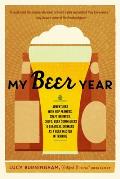
My Beer Year by Lucy Burningham. This book by Portland beer writer Burningham has a long but delightful descriptor: "Adventures with hop farmers, craft brewers, chefs, beer sommeliers, and fanatical drinkers as a Beer Master in training." With wit (as well as Wit), it describes how this young writer and mom fell in love with beer to the point where she decided to become a Certified Ciccerone, going through the rigorous and arcane training and testing regimen to become a beer expert. (And you just thought knowing an IPA from a Porter made you that, right?) Full of character and plenty of characters, its a great book for the beer fanatic in your life.

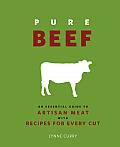
Pure Beef by Lynne Curry. The current dietary advice, as Michael Pollan famously said, is to "eat food, not too much, mostly plants." But if we are going to eat protein, its important to eat animals raised humanely, with their feet on the earth and the sun on their backs. In other words, pasture-raised animals rather than those raised in crowded, confined conditions requiring daily doses of antibiotics to survive. To that end, I heartily recommend Joseph, Oregon, writer Lynne Curry's book on buying, cooking and eating grass-fed beef, an incredibly well-researched and thoroughly recipe-tested primer on how to get the most delicious results possible from these tasty beasts.

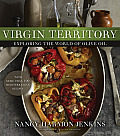
Virgin Territory by Nancy Harmon Jenkins. Dividing her time between a home on the coast of Maine and an olive farm in Tuscany, Jenkins shares her contagious passion for the flavors of the Mediterranean, a diet she is convinced is one of the most healthful and flavorful on the planet. I've tried several recipes from this book, and I can't argue with that premise.

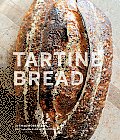
Tartine Bread by Chad Robertson. If you have a bread baker in your life, or someone who's interested in learning to make bread, I can't recommend this book highly enough. My husband worked for two years to make what he considered the perfect artisan loaf, and was frustrated with what he felt were mediocre results until friends got him this book. It was a game-changer, and it apparently has some pretty good recipes for other good things to eat, though those pages remain remarkably unthumbed around here.

James Beard: A Biography by Robert Clark. As a fifth-generation Oregonian, I thought I knew plenty about native son James Beard. That is, until I read this biography of this world-famous cook, eater and bon vivant. A truly fascinating character in his own right, it follows Beard's upbringing in Portland in the late 1800s, his escape from his controlling-yet-supportive mother to New York and Europe and his lifelong love affair with the flavors and ingredients of the Northwest. In addition, it follows the evolution of the American palate with discussions that add depth and nuance to Beard's at times tragic yet joyful journey.

Wednesday, March 18, 2015

Stuffed Peppers: Inspiration from Virgin Territory


Great cookbooks are more than just the sum of the recipes they contain. Gorgeous photos and recipes can stimulate both the mind and appetite. The stories an author shares can introduce exciting new cultures and ideas, not to mention information about ingredients both familiar and new. And the recipes themselves often teach me new cooking techniques or ways of combining flavors that I hadn't thought of before.

The best do all of the above, and provide the opportunity for me to go off on my own tangents depending on what I have in my pantry or what's in season.

In the category of the best, I would place the new cookbook Virgin Territory: Exploring the World of Olive Oil by Nancy Harmon Jenkins. Though I have to admit that I'm a little jealous that this Maine native who grew up to become a leading authority on olive oil and the Mediterranean diet now lives on a 25-acre olive farm in Tuscany where she and her family produce their own olive oil.

I met the author recently at a reception at the invitation of Cathy Whims of Nostrana, where Nancy told the story of the book while guests were served dishes based on recipes featured in it. One, though, a nettle and spinach flan that the kitchen was inspired to create, was served as an entremet. It celebrated both the spirit of the book and the freshest spring things from our area. It was smooth, bright—obviously I'm still thinking of it—and knee-bucklingly good. Carol Boutard of Ayers Creek Farm was sitting opposite me and I had to laugh as our eyes rolled back in our heads at its incredible deliciousness.

A couple of days later I was paging through the book and came across Nancy's recipe for Eastern Mediterranean Stuffed Peppers with bulgur, tomatoes and spices that would give it a rich Moroccan scent. I didn't have any bulgur on hand, but I did have some of Ayers Creek Farm's frikeh that I'd thoughtfully stashed in the freezer. But then I looked at the cover of the book and there was another roasted stuffed pepper pictured, though this was stuffed with anchovies, tomatoes and capers, meant for serving as an appetizer.

Hm.

Stuffed Peppers with Frikeh, Tomatoes and Anchovies
Loosely adapted from Virgin Territory by Nancy Harmon Jenkins

1/2 lb. frikeh, barley, farro, bulgur or rice
3 Tbsp. olive oil, plus additional for drizzling
1 onion, chopped fine
1 large fennel bulb, chopped fine
4 cloves garlic, minced
1 2-oz. tin anchovies, or 8 salted anchovy fillets, rinsed
10 oil-cured black olives, chopped fine
1 pint assorted cherry tomatoes
3 Tbsp. capers
1 tsp. paprika, pimenton or piment basquaise
4 medium sweet peppers, halved, seeded and membranes removed
1 c. boiling water
3 oz. fresh chèvre
Pepper

Place grain (whichever you choose) in medium pot. Add water to cover by 2”. Bring to boil and reduce heat to simmer for ten minutes. Check occasionally to make sure water hasn’t been completely absorbed; add more if necessary. When grain is al dente, drain in colander and rinse with cold water.

While grain cooks, heat olive oil in large skillet over medium-high heat. When it shimmers, add onion and sauté till translucent. Move onion to edges of pan and add anchovies in center, chopping them until they dissolve. Stir into onions. Add fennel and garlic and sauté till tender.

Preheat oven to 350°.

Put onion mixture into large bowl. Add cooked grain, olives, tomatoes, capers and paprika and combine. Stuff mixture into pepper halves, top with thin slice of chevre, a grinding of pepper and a drizzle of olive oil.

Grease a 9” by 11” glass baking dish with olive oil and pour in boiling water to a depth of 1/2”. Add peppers skin-side down. Bake at 350° for 1 hour.